
RideScout
So You Got Your First Car: 10 Things Every New Driver Should Know
A clean car, oil changes, tires, insurance, and a few other habits that keep a first car — and a new driver — out of trouble.
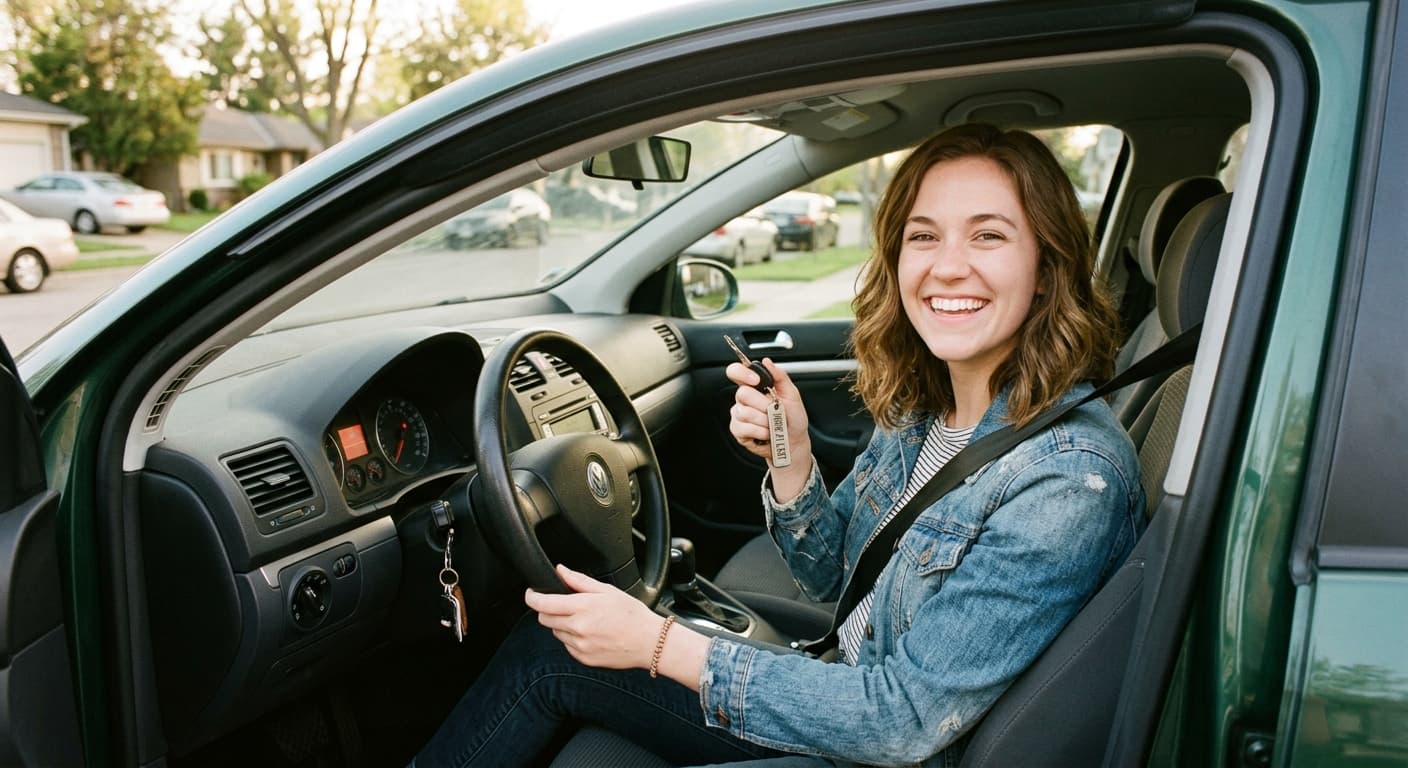
Congratulations! That set of keys in your hand means freedom, independence, and no more begging for rides.
But a car is also a big responsibility. The difference between drivers who cruise through their first few years smoothly and those who end up stranded or broke usually comes down to a handful of simple habits.
Here are 10 things every new driver should know and keep track of.
1. Keep a Clean Car
A clean car is easier to take care of, and taking care of your car helps it last longer. Wash the outside regularly to protect the paint from dirt, salt, and grime. Keep the inside tidy too. Trash, crumbs, and clutter can attract pests and wear down your interior.
Taking pride in your car makes you more likely to stay on top of everything else on this list. Plus, a car that has been well cared for will generally be easier to sell when you are ready for your next one.
2. Keep Up With Oil Changes
Your engine runs on oil, and keeping that oil fresh is one of the most important things you can do for your engine.
Do not rely on a universal mileage number. Follow the oil change schedule in your owner's manual. Different vehicles have different requirements, and some newer cars can go much longer between changes.
Keep a note of the mileage and date of your last oil change so you know when the next one is due. Skipping scheduled maintenance can turn a relatively inexpensive service into a very expensive repair. (NHTSA)
3. Check Your Tires and Brakes
Tires and brakes are two of the most important safety systems on your car.
Check your tire pressure at least once a month, preferably when the tires are cold. The correct PSI is listed on the sticker inside the driver's door or in your owner's manual, not on the tire itself. (NHTSA)
Look at the tread and sidewalls, too. If you see cracks, bulges, cuts, or uneven wear, have the tires inspected. If the tread is worn down to the wear bars, it is time to replace them.
Pay attention to your brakes, too. If you hear grinding or unusual squealing, feel shaking or vibration when braking, notice that the brake pedal feels soft, or the car takes longer than normal to stop, tell a parent or have the car inspected. Do not ignore brake problems.
And know where your spare tire, jack, and lug wrench are. Better yet, learn how to use them before you actually need them.
4. Understand Your Dashboard Lights
That glowing symbol on your dash is not decoration.
Learn what the common warning lights mean: check engine, oil pressure, battery, temperature, and tire pressure. Some mean "get this checked soon," while others mean "pull over and shut the car down."
Your owner's manual has a full list of warning lights. Skim through it once so nothing catches you completely off guard.
5. Keep Track of Gas and Don't Run It Empty
Try not to make a habit of driving around with an almost-empty tank.
Running out of gas can leave you stranded, especially if you misjudge your remaining range or get stuck in traffic. Learn roughly how many miles you get per tank so you can plan longer drives without constantly worrying about your fuel level.
And figure out which side your gas cap is on. The little arrow next to the fuel gauge tells you.
6. Know Your Insurance Details
You or your family are paying for insurance, so know the basics.
Know who your insurance provider is, where to find your policy information, and what your coverage actually means. Keep your current insurance information readily accessible, whether that is a physical card in the glove box or a digital copy on your phone, depending on your state's requirements.
At a minimum, understand the difference between liability coverage and coverage for your own vehicle. If you are not sure what your policy covers, ask a parent or your insurance company to explain it.
7. Build a Small Emergency Kit
Stash a few essentials in your trunk:
- Jumper cables
- Flashlight
- Phone charger
- First-aid kit
- Bottled water
- Blanket
- Tire-pressure gauge
And learn how to jump-start a car and change a flat tire before you actually need to.
A little preparation can turn a roadside disaster into a minor annoyance.
8. Track Your Maintenance and Costs
Owning a car costs more than just gas.
Keep a simple log using your Notes app, a spreadsheet, or whatever works for you. Track things like:
- Oil changes
- Tire replacements
- Brake work
- Repairs
- Registration
- Insurance payments
- Other scheduled maintenance
This helps you budget, spot problems early, and understand how much your car actually costs to own.
It can also help when you eventually sell the car. Being able to show that you have kept up with maintenance is a lot better than saying, "I think I changed the oil a few months ago."
9. Keep Your Documents Current and Check for Recalls
Registration and other vehicle documents expire. Note the expiration dates and renew them on time.
Keep your registration, insurance information, and any required inspection documentation accessible in the car. And do not forget about your driver's license.
There is one more thing you should make a habit of checking: safety recalls.
Use your VIN to check for open recalls on your vehicle. NHTSA recommends checking for recalls regularly, and recall repairs are generally completed for free at the manufacturer's dealership. (NHTSA)
It is a quick check that could uncover a serious safety issue you did not even know existed.
10. Drive Like Your Future Depends On It
Because it kind of does.
Buckle up every single time. Put the phone away. Obey the speed limit. Never drive impaired, and do not drive when you are too tired to be behind the wheel.
Tickets and accidents can raise your insurance costs, damage your driving record, and, more importantly, hurt you or someone else.
Safe driving is one of the best things you can do for your wallet and your future. The goal is not just to look cool behind the wheel. It is to still have this car and yourself in one piece next year.
Parents, Share This With Your New Driver
If you are a parent who just helped your son or daughter get their first car, send them this article.
You have probably already had the conversation about being safe, not texting while driving, and taking care of the car. But sometimes hearing the same advice from someone other than Mom or Dad makes it stick.
Use this as a starting point for a conversation. Walk through the car together. Show them where the spare tire is. Check the tire pressure. Look at the insurance information. Open the owner's manual. Make sure they know what to do if a warning light comes on or they end up on the side of the road.
The goal is not to scare them. It is to help them become confident, responsible car owners.
Your first car is a big deal. Taking care of it teaches you skills you will use for the rest of your life. You learn how to budget, maintain something you own, recognize problems before they become disasters, and take responsibility for your safety and the safety of everyone around you.
Stay on top of these ten things and you will spend a lot more time enjoying the drive and a lot less time stuck on the side of the road.
Now go adjust your mirrors, buckle up, and enjoy the ride.
Next step
See which cars actually fit your family
Answer a few questions and RideScout will match vehicles to your budget, priorities, and teen — then show listings near you.